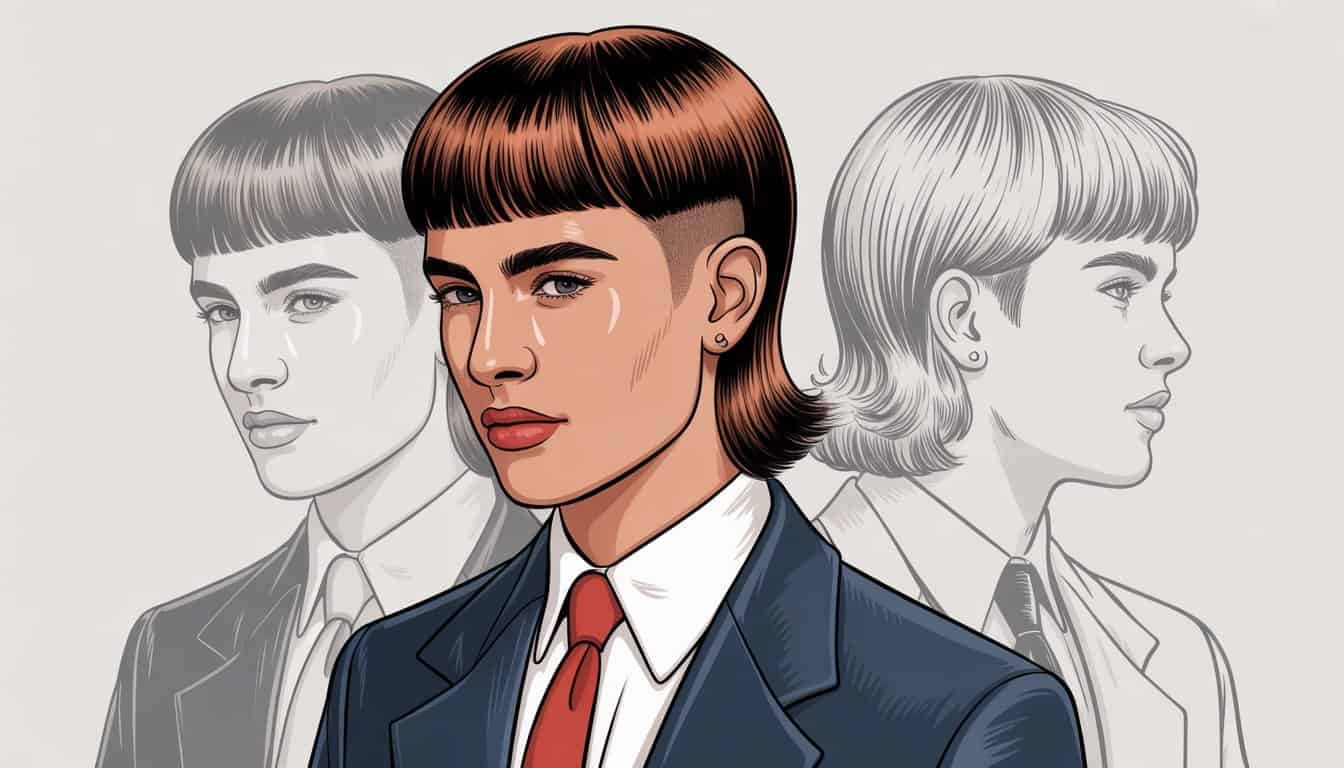
The mullet hairstyle has made a strong comeback, blending retro vibes with modern edge. The key to a great mullet is balancing short sides with longer hair at the back, creating a look that works for various hair types and face shapes. This style is versatile, fitting both thick straight hair and slightly wavy textures.
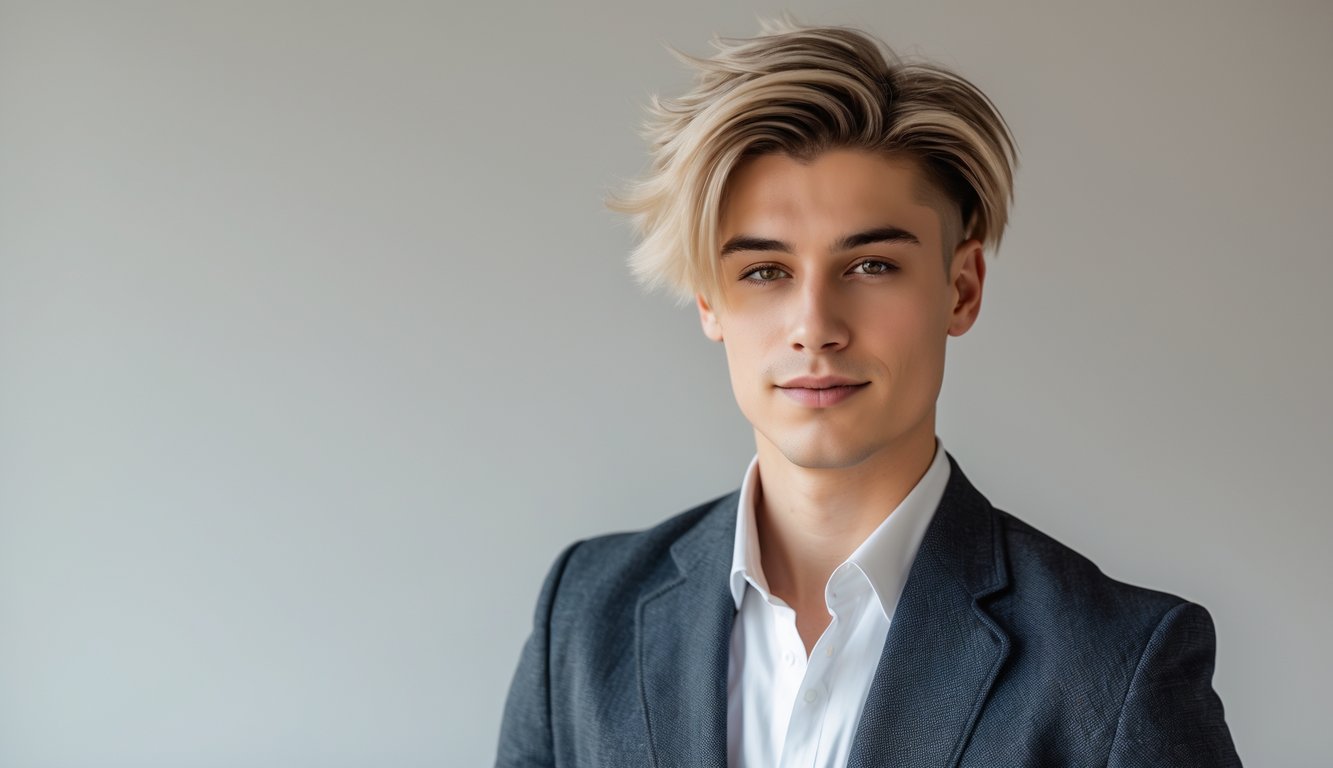
I’ve noticed mullets gaining popularity not just as a nostalgic trend, but as a bold fashion statement embraced by many young people today. Whether you’re looking for a subtle update or a more dramatic change, the mullet offers options that suit different personal styles and preferences.
Exploring different cuts and fades on the sides can make your mullet stand out while keeping it current. If you want to understand why this hairstyle keeps resurfacing and how you can make it your own, this guide will give you everything you need to get started. For more inspiration, check out various modern mullet hairstyles popular in 2025.
History of the Mullet Hairstyle
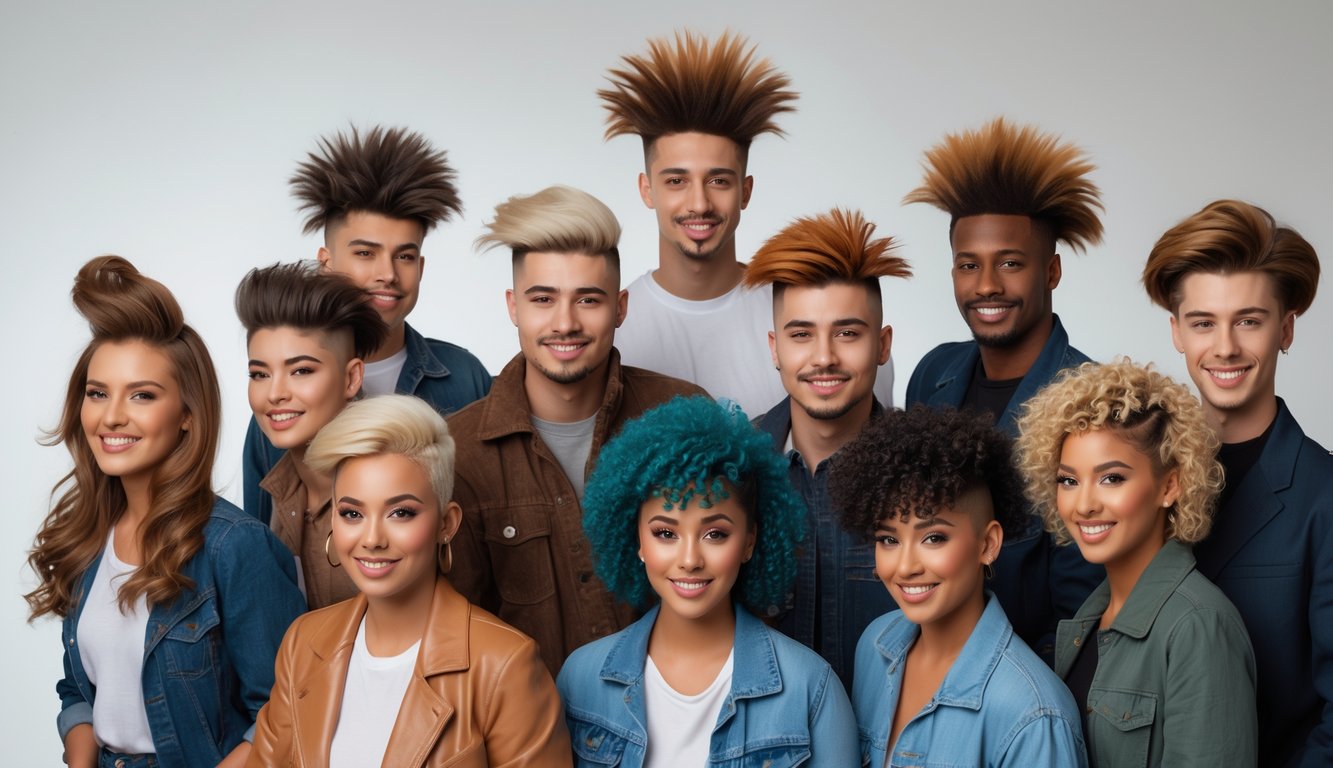
The mullet hairstyle has roots stretching back thousands of years, evolving through practical use, cultural symbolism, and fashion trends. Its journey reflects shifts in society, media influence, and individual identity across decades.
Etymology
The term “mullet” to describe the hairstyle appeared in the 20th century. It was popularized by the 1994 Beastie Boys song “Mullet Head,” bringing wider attention to the word.
Before this, the hairstyle existed without a specific name. The word’s origin is unclear but has been linked to the fish named mullet, possibly due to the back length resembling a fish tail. The term gained traction mainly in the U.S. during the 1980s and 1990s.
Fashion history
The mullet’s form—short front, long back—originated from functionality before becoming a fashion statement. Ancient warriors, including Greeks and Celts, used this style to keep hair out of their faces while maintaining neck protection.
In modern times, the mullet evolved into a cultural symbol, often associated with rebellion and nonconformity. Its cyclical popularity spans centuries, from practical uses to a bold fashion choice.
In popular culture
Pop culture helped shape the mullet’s image as edgy and countercultural. Musicians, athletes, and celebrities embraced it, especially in media-heavy decades of the late 20th century.
Films, TV shows, and magazines portrayed the mullet as both a serious and ironic hairstyle. It became emblematic of defiance and individuality, frequently tied to personas seeking to challenge social norms.
1960s
During the 1960s, the hairstyle was rare but started appearing among certain youth groups pushing against conservative styles. It was not widely recognized as a “mullet” yet but had the defining short front and longer back.
This era laid the groundwork for later popularity. The focus was mainly on natural hair and longer lengths, but localized trends hinted at the mullet’s potential to become mainstream.
1970s
The 1970s saw the mullet gaining traction, especially among rock musicians and some television personalities. The style reflected growing freedom in personal expression.
It remained a niche look, often featured on rebellious characters and performers. The contrast between business-like front and wild back took shape but didn’t become widespread until the following decade.
1980s
The 1980s marked the mullet’s peak popularity. It became synonymous with rock stars, athletes, and pop icons, embodying extravagance and defiance.
Celebrities like David Bowie and Billy Ray Cyrus made the style famous. The mullet was often described as “business in the front, party in the back,” capturing its duality.
1990s
In the 1990s, the mullet’s popularity began to wane but remained visible in some music scenes, especially grunge and alternative rock.
It shifted towards irony and camp value, seen as outdated by mainstream fashion but embraced ironically or nostalgically. The hairstyle became a symbol of past excesses.
2000s
The 2000s had few mullet occurrences, mostly as retro or humorous references. It was rarely a mainstream hairstyle but occasionally revived in subcultures or music videos.
Usage often highlighted irony and nostalgia rather than serious fashion statements. The mullet was sometimes adapted with modern twists or combined with other styles.
2010s
During the 2010s, the mullet experienced small-scale revivals, boosted by fashion designers and celebrities experimenting with vintage looks.
It became a statement of individuality, mixing the old style with contemporary grooming and cuts. Social media helped spread awareness, turning it into a niche but recognizable choice.
2020s
The 2020s have seen a resurgence of the mullet in mainstream fashion, shedding some past stigma. The style is often modernized, sleek, and worn by diverse audiences.
It is celebrated for its versatility and cultural history. New variations appear regularly, reflecting evolving trends while respecting its origins as both practical and rebellious.
For more detailed historical context, explore the History of the Mullet hairstyle and its role among ancient warriors.
Types of Mullet Hairstyles
Mullets vary widely in shape, length, texture, and styling techniques. Each type offers a different vibe, suited to various face shapes, hair types, and personal preferences. Below, I break down these styles into clear categories to help you understand their key features.
Length-Based Mullets
Length-based mullets are defined by how long the hair is in the front, sides, and back. You often see three main types: short, medium, and long. The length affects the overall appearance, from subtle to bold.
Short mullets keep the back hair close to the neckline with minimal contrast to the top. Medium mullets have balanced lengths, usually shoulder-length at the back. Long mullets extend well past the shoulders, emphasizing the classic ‘business in front, party in the back’ look.
Texture-Based Styles
Texture drastically changes how a mullet feels and looks. I find that mullets can suit straight, wavy, or curly hair well. Wavy and curly textures give the style a more natural volume and dimension, softening the often sharp contrast between front and back.
For straight hair, the cut needs precision—often squared ends or sharp layering—to avoid the style looking flat. Curly mullets embrace the curls’ bounce, adding a dynamic movement often missed in other styles.
Fade Styles
Fade styles blend the mullet’s layers into the sides using various fading techniques. A fade usually starts short near the ears and gradually increases in length toward the top and back.
This styling creates a clean and modern contrast between the mullet’s longer back and the trimmed sides. Popular fade mullets include the low taper, high fade, and undercut, all offering a sleek look that refines the traditional mullet shape.
Unique Styles
Some mullets break the conventional rules, incorporating edgy and creative elements. These might include asymmetrical cuts, shaved patterns on the sides, or uneven lengths.
Adding color highlights or dye in strategic areas also falls under unique styles. These variations personalize the mullet, making it stand out in any crowd without losing its core shape.
Modern Mullet
The modern mullet brings new shape and styling tricks while respecting the classic form. It often features blended fades, textured layering, and occasionally soft fringes at the front.
This version is versatile, working well for men and women who want an updated yet retro look. It’s less exaggerated than vintage mullets and tends to fit more casual or professional settings.
Long Mullet
Long mullets focus on extending the back hair significantly beyond the neck. I consider this a bold statement—it’s about length and flow, often paired with layered cutting on top for balance.
This style suits thick hair better, preventing the ends from looking scraggly. Long mullets thrive with natural waves or curls, adding volume and movement to the length.
Short Mullet
The short mullet minimizes the length contrast between the front and back. It’s easier to maintain and less dramatic visually.
Typically, the back hair reaches just below the ears or stops at the neckline. Short mullets are ideal for those wanting the mullet edge without too much commitment to length.
Curly Mullet
Curly mullets make use of natural curls to create texture and volume. The curls soften the jagged look and enhance the layered effect at the back.
I’ve seen curly mullets skillfully managed by trimming the curls to maintain shape while avoiding frizz. This style is also functional, as the curls add natural lift to the shorter front and sides.
Mullet Fade
The mullet fade combines two popular styles into one. It uses a fade—often low or mid-level—on the sides and top while keeping the back long.
This style appeals to those wanting a clean, urban feel without losing the mullet’s signature length contrast. The fade creates a sharp, tidy frame around the hair while emphasizing the length at the back.
Shaggy Mullet
The shaggy mullet uses lots of layers and textured cuts to produce a messy, rock-inspired look. Hair appears tousled and uneven on purpose.
This style works especially well for wavy or thick hair, enhancing volume and creating a carefree vibe. Shaggy mullets often have longer front layers blending into the back, emphasizing the disheveled aesthetic.
Mohawk Mullet
The mohawk mullet mixes the mohawk’s central strip with the mullet’s length. The sides are usually shaved or very short, while the strip on top runs from front to back.
This edgy variation looks dramatic and rebellious. It’s best suited to those willing to maintain a bold shape and showcase individual style.
Two Block Mullet
The two block mullet is popular among Asian hair fashion, characterized by a clear division between longer hair on top/back and shorter sides below.
This style features a sharp disconnection between layers, often with a defined undercut or fade. It balances modern trends with mullet structure, appealing to those wanting a neat but unconventional hairstyle.
For more mullet style examples, check out detailed descriptions of various mullet types at Mullets Explained.
How to Style a Mullet
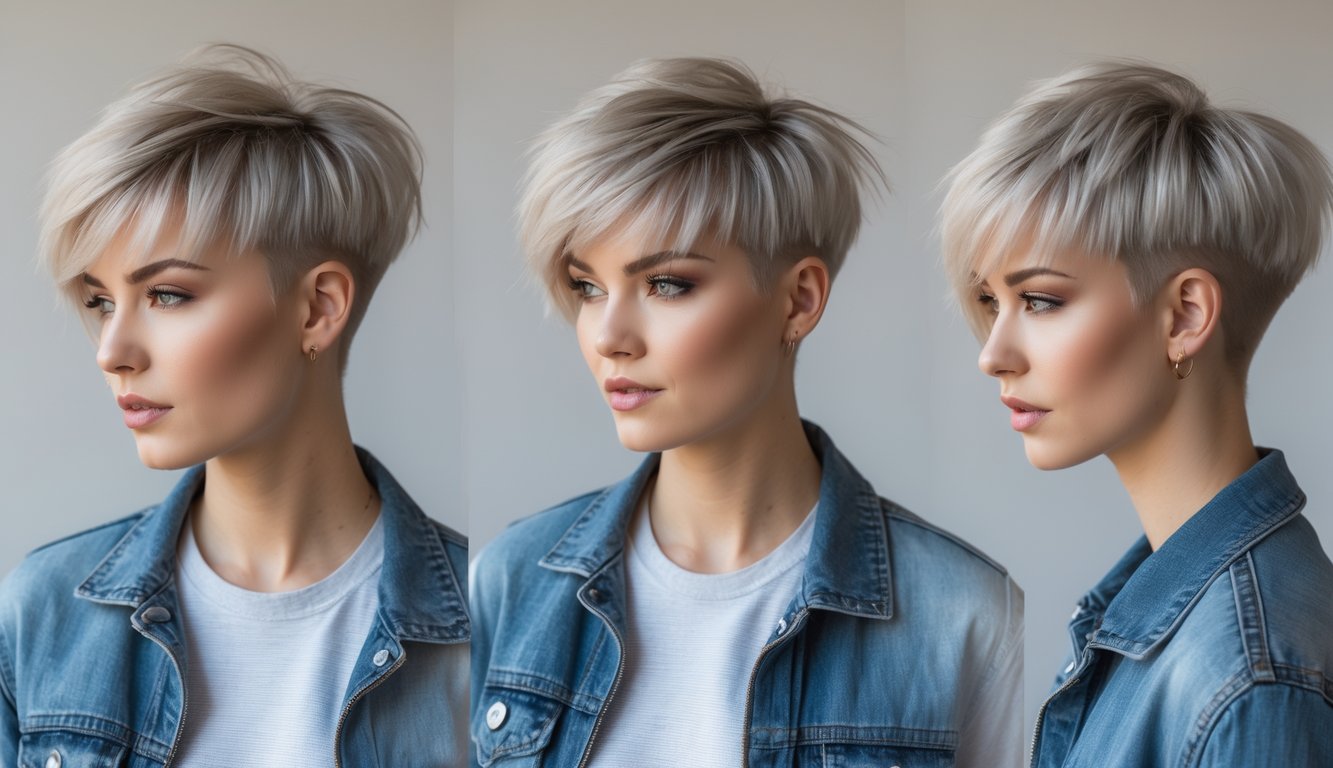
Styling a mullet well takes attention to texture, volume, and hold. It’s about enhancing the natural layers while keeping the shape sharp and defined throughout the day.
Apply A Volumizing Shampoo and Conditioner
I start by using a volumizing shampoo and conditioner designed to add body without weighing hair down. This step is crucial because a mullet relies heavily on contrast between the fuller top and the tapered back.
Choose products that boost lift at the roots and hydrate mid-lengths to ends, preventing dryness in the longer back sections. Avoid heavy or oily formulas that flatten your style.
Rinsing thoroughly ensures no residue is left to weigh your hair down. I follow this routine to create a fresh base where styling products can perform better and last longer.
Add Texture with A Sea Salt Spray
Sea salt spray is my go-to for introducing natural looking texture and subtle grit. I spray it evenly on damp hair, focusing on the top and back layers.
The minerals add roughness that makes the hair appear thicker and supports the choppy elements typical to mullets. The spray also helps separate strands for that signature “party in the front” effect while keeping “business in the back” structured.
I let my hair air dry partially or lightly rough-dry with fingers to boost the tousled, lived-in look without stiffness.
Use A Hair Diffuser
I use a hair diffuser attachment on my blow dryer when drying to enhance natural waves and volume without frizz. Diffusing distributes heat more gently, protecting the hair while encouraging body.
With the diffuser on low to medium heat, I cup sections of hair and lift at the roots for extra height. This method keeps the layers defined and prevents the hair from becoming flat or too sleek.
Moving the diffuser around speeds up drying while maintaining the mullet’s layered, textured shape. It’s a simple tool that makes a big difference in how my style settles.
Apply Styling Clay, Matte Pomade or Texturizing Powder For All-Day Hold
For final shaping and hold, I choose styling clay, matte pomade, or texturizing powder depending on my hair’s thickness and desired finish.
Clay works well for thick hair, delivering strong hold with a natural matte texture. Pomade, especially matte types, adds control and definition without shine. Texturizing powder is ideal for fine hair, offering lift and volume at the roots.
I apply a small amount evenly through my dry hair, focusing on ends and layers. Then I use my fingers to sculpt and separate pieces, maintaining the mullet’s classic contrast and sharp edges while keeping it flexible and comfortable.
These products protect against midday flatness and keep the style looking intentional throughout the day.
For detailed styling techniques and inspiration, see how professionals approach the modern mullet on this styling tutorial.
Mullet Hairstyles for Different Groups
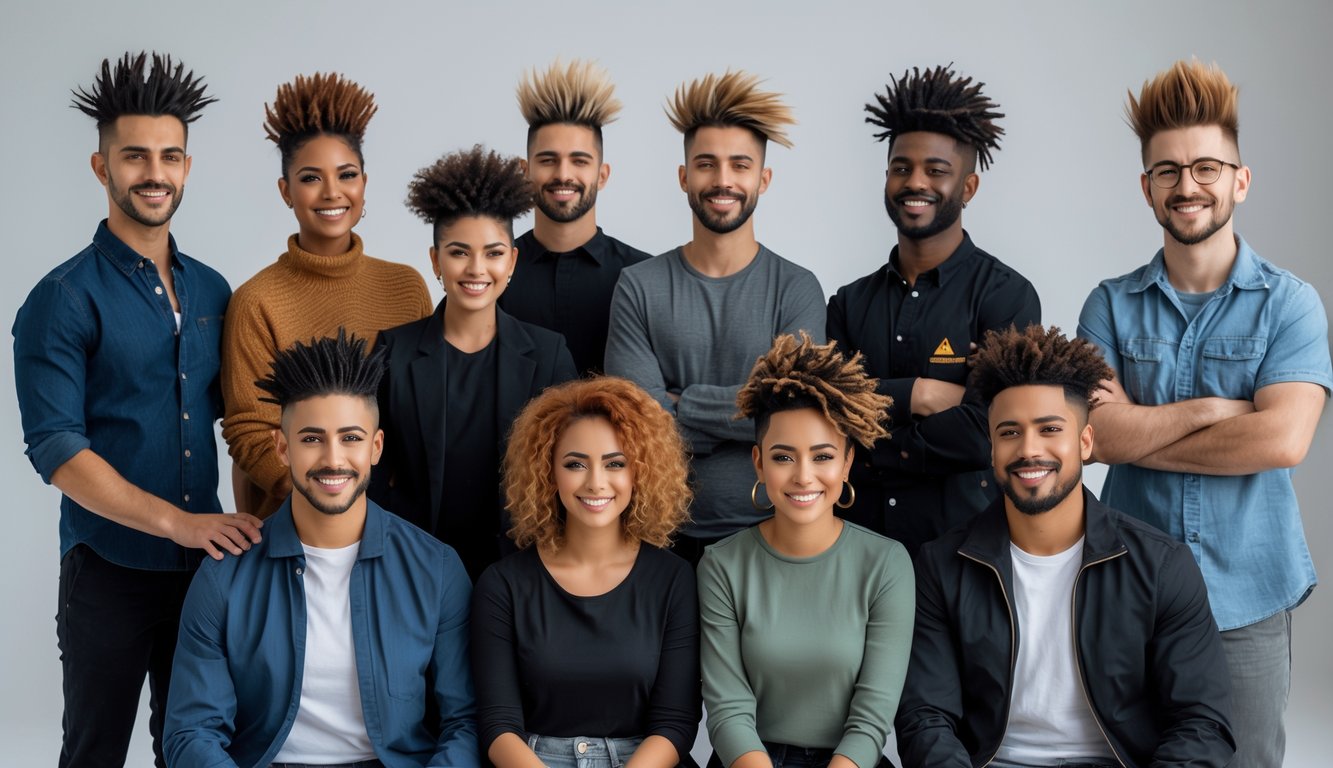
Mullet hairstyles vary widely based on age and gender, adapting to different hair types and personal styles. The cuts can highlight sharp fades, texturing, or bold colors to suit specific needs across men, women, and kids.
Mullet Styles for Men
For men, mullets often blend traditional elements with modern trends like tapered sides or fades. I recommend styles including the cropped mullet, mohawk mullet, and mullet fade for a clean yet edgy look. Texture plays a big role; adding waves or curls enhances volume and movement.
Maintenance involves regular trims to keep the shaved sides sharp and prevent the back hair from becoming unruly. Men can experiment with colors or two-toned effects to add dimension. Versatile mullet styles work well on various face shapes, especially oval and square.
Mullet Hairstyles for Women
Women’s mullets tend to emphasize softness and layering to balance the longer back section with shorter front hair. I often suggest textured or curly mullets that add lightness and feminine appeal. The modern women’s mullet embraces movement rather than stark contrasts.
Styling can be simple with natural waves or enhanced with color highlights for subtle dimension. Women may prefer slightly longer sides than men to allow for more styling options, such as side-swept bangs or curtain fringes. The look remains bold but approachable.
Mullet Hairstyles for Kids
For kids, mullet cuts are practical yet playful, often shorter to suit active lifestyles. I focus on keeping the cut easy to manage, with softer fades and modest length difference between front and back. Avoid overly sharp contrasts to keep it age-appropriate.
Kids’ mullets can work well with natural curls or straight hair, offering a fun style without complicated maintenance. It’s also easier to grow out if the child prefers a different look later. Parents should ensure regular trims to keep the style tidy and comfortable.
For detailed examples of mullet haircuts, see 30 Best Mullet Haircuts for Every Hair Type & Face Shape in 2025.
The Mullet Revolution and Self-Expression
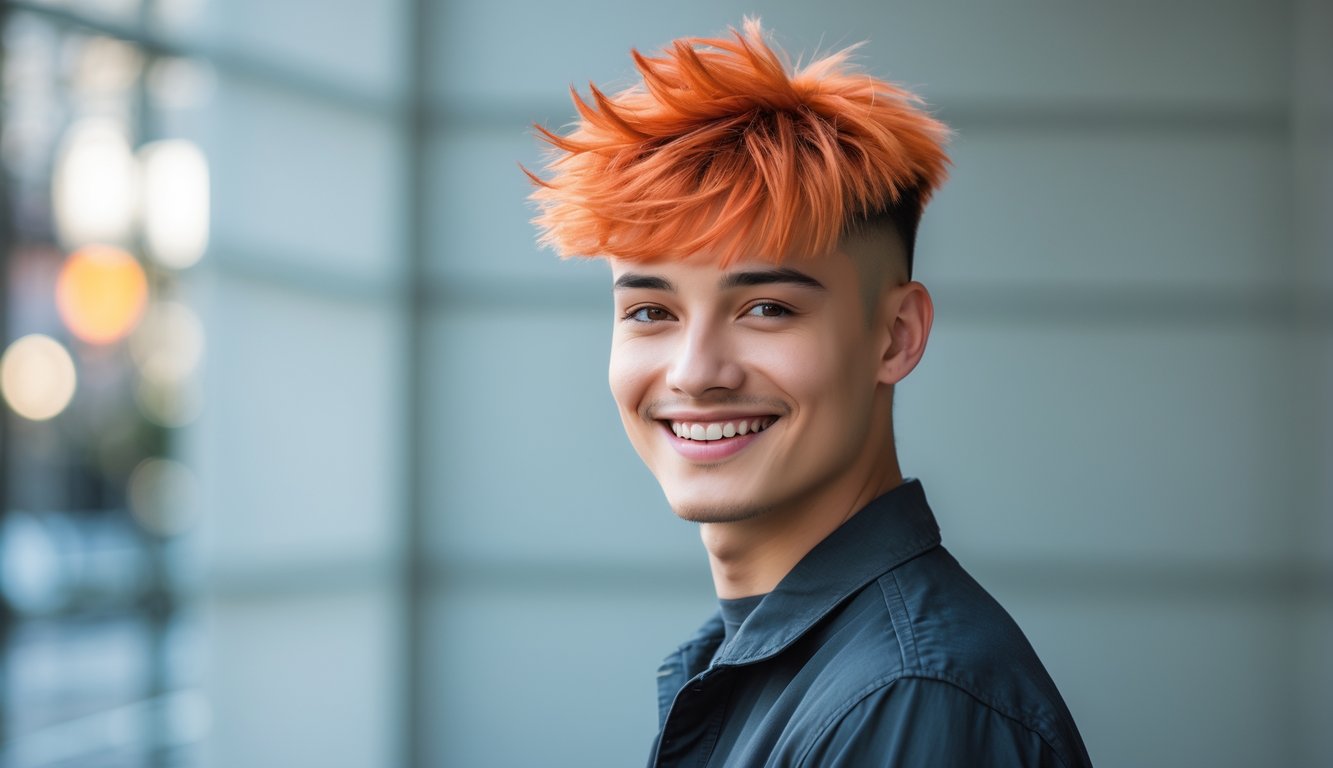
The mullet has returned as a symbol of individuality and confidence. It blends classic elements with modern styling, allowing anyone to express their personality boldly. Understanding how to embrace this hairstyle and the right products can make a significant difference in maintaining its sharp, rebellious look.
Join the Mullet Revolution
I see the mullet as more than just a haircut—it’s a statement that rejects conformity. This hairstyle encourages embracing bold contrasts: short and neat in the front, with longer, textured layers in the back. Celebrities and street style icons have triggered a broad revival, making the mullet present across various cultures and fashion scenes.
The movement today embraces flexibility, mixing vintage influences with contemporary trends like sharp fades and textured layers. This hybrid look fits those who want to stand out without sacrificing style or professionalism. As the hairstyle continues to evolve, it reflects a desire for freedom and authenticity in personal grooming.
Styling Tips and Product Recommendations
Styling a mullet requires balancing volume and texture. I recommend starting with a quality texturizing spray or sea salt spray to enhance natural waves without weighing down the hair. For shaping, lightweight pomades or matte clay provide hold while maintaining a natural finish.
Regular trims are essential to maintain the contrast between the front and back lengths. Focus on keeping the sides and top tidy while allowing the back to carry flow and movement. Using a diffuser attachment when blow-drying helps preserve texture and avoid frizz, making the hairstyle look polished but effortless.
Use these styling essentials to keep the mullet sharp and true to its bold, individualistic roots. For more detailed insights into styling and trends, check out the Mullet Hairstyles: 13 Ways to Embrace Your Individuality page.
About The Author