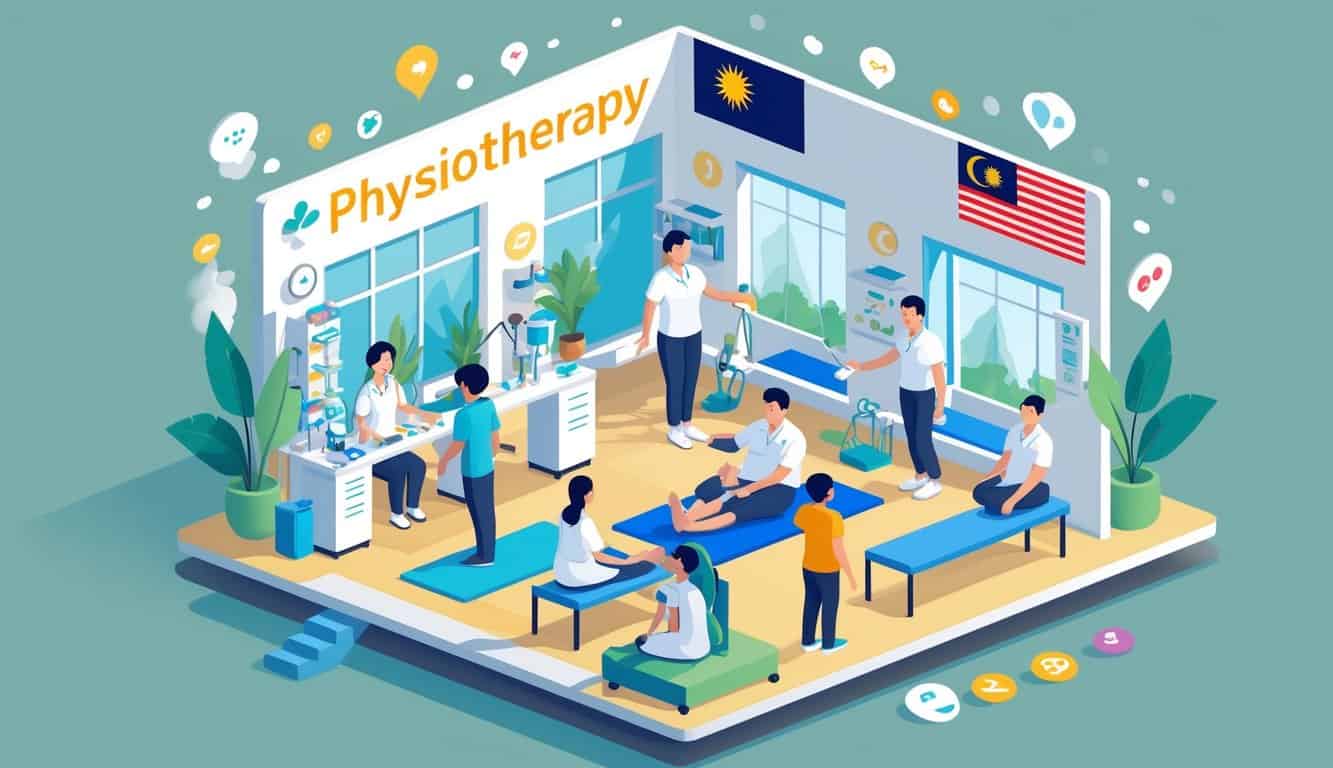
Physiotherapy in Malaysia plays a vital role in helping individuals recover from injuries, manage chronic pain, and improve mobility. We rely on skilled professionals who use targeted treatments to restore physical function and enhance overall well-being. Access to quality physiotherapy services across Malaysia ensures effective rehabilitation for a wide range of conditions.
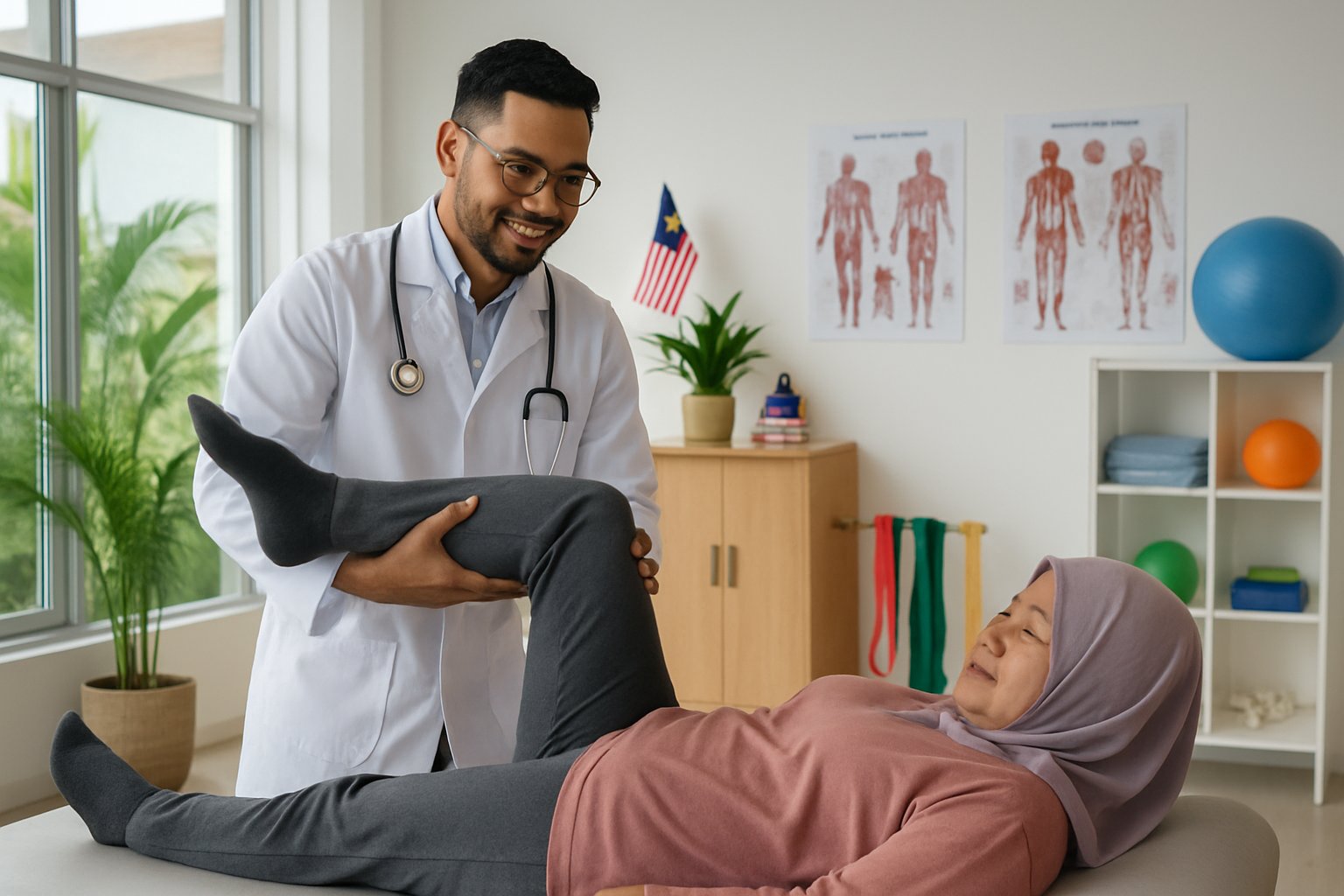
Our country offers a growing number of clinics staffed by experienced physiotherapists equipped with modern techniques and facilities. Whether for post-operative recovery, sports injuries, or long-term physical health, these clinics provide personalized care tailored to each patient’s needs. This makes physiotherapy an essential part of Malaysia’s healthcare system.
By understanding the available services and how physiotherapy works in Malaysia, we can make informed choices about our health. Exploring top-rated clinics and expert practitioners helps us find trusted support for physical recovery and pain management. For more detailed options, consider checking comprehensive lists of the best physiotherapy clinics in Malaysia.
Introduction to Physiotherapy in Malaysia
Physiotherapy in Malaysia is a growing health profession focused on restoring and maintaining physical function. It encompasses a range of specialized areas requiring technical knowledge and practical skills. Understanding its core purpose, the main fields within the discipline, and the essential skills needed will help us grasp its role in healthcare.
What is Physiotherapy?
Physiotherapy is a healthcare practice dedicated to improving movement and managing pain through physical methods. These include exercises, manual therapy, electrotherapy, and education. It helps patients recover from injuries, surgeries, or disabilities.
In Malaysia, physiotherapy involves both assessment and treatment to enhance mobility and prevent further physical problems. It also plays a role in rehabilitation for various conditions like stroke, arthritis, sports injuries, and post-operative care. The profession is regulated and requires proper training to ensure safe, effective therapy.
What are the major fields in Physiotherapy?
Physiotherapy covers several fields that target different patient needs. Key areas include:
- Musculoskeletal physiotherapy: Focuses on bones, joints, muscles, and soft tissues.
- Neurological physiotherapy: Deals with patients who have nervous system disorders such as stroke and spinal cord injuries.
- Cardiopulmonary physiotherapy: Helps improve function and endurance for heart and lung conditions.
- Pediatric physiotherapy: Provides care for infants and children with developmental or physical challenges.
- Geriatric physiotherapy: Concentrates on issues facing older adults like balance and mobility.
Each specialty requires distinct knowledge and techniques to provide tailored patient care.
What are the skills and characteristics needed in Physiotherapy?
Successful physiotherapists in Malaysia must combine technical expertise with strong interpersonal abilities. Critical skills include:
- Analytical thinking: To evaluate clinical cases and determine appropriate treatment.
- Manual dexterity: For hands-on therapy and precise physical interventions.
- Communication: Clearly explaining treatment plans to patients and collaborating with healthcare teams.
- Empathy and patience: Understanding patient struggles and motivating them through recovery.
- Physical stamina: The role often demands extended periods of standing and movement.
These traits ensure therapists provide practical, patient-focused care that meets medical standards.
Malaysian Physiotherapy Association
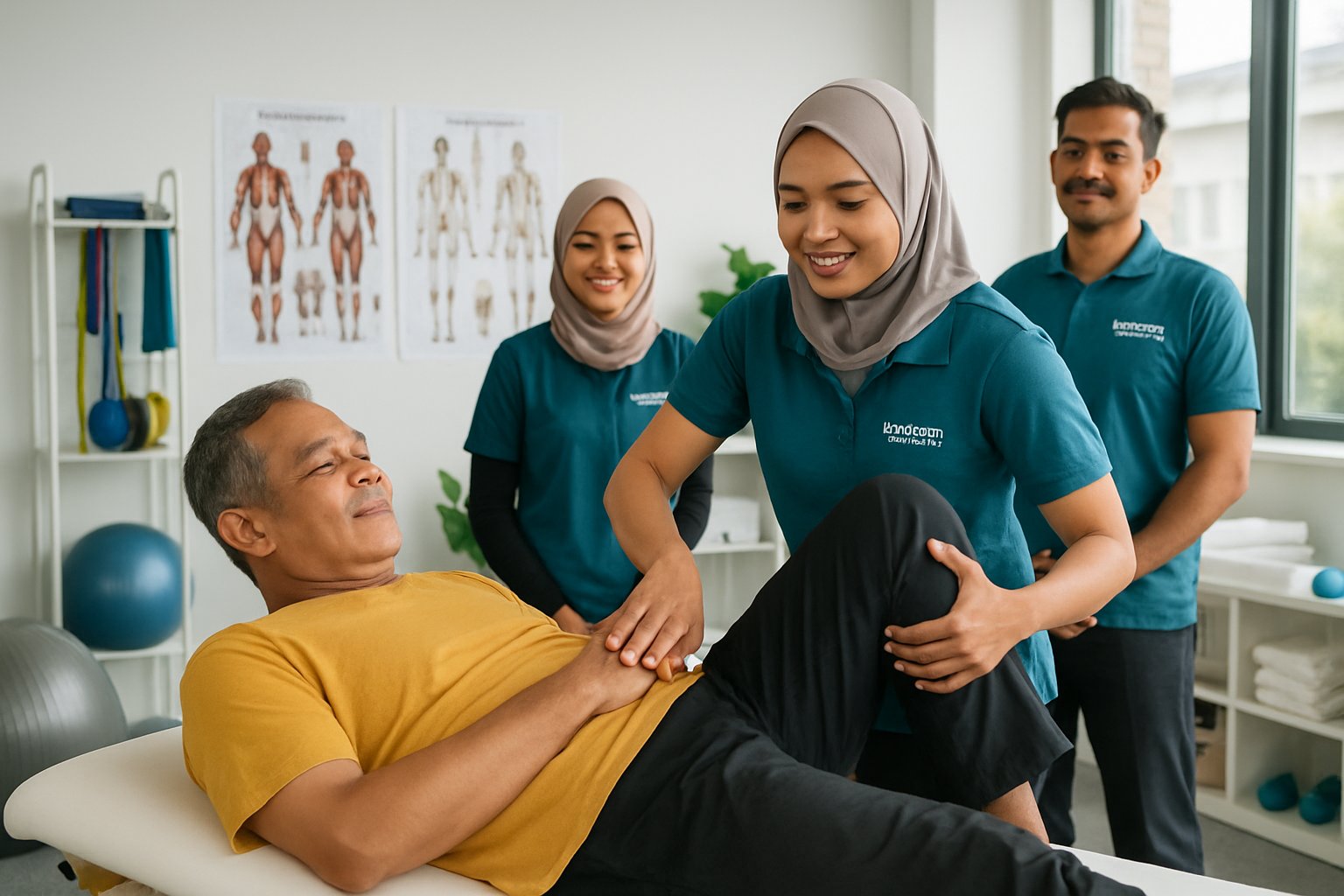
The Malaysian Physiotherapy Association (MPA) plays a central role in shaping the physiotherapy profession across Malaysia. We support professional development, regulate standards, and provide platforms for collaboration and knowledge exchange. Our efforts help maintain the integrity and advance the quality of physiotherapy services nationwide.
Membership
Membership in the MPA is open to qualified physiotherapists practicing in Malaysia. We offer several membership categories including full, student, and honorary memberships, depending on qualifications and experience.
Benefits include access to professional resources, networking opportunities, and eligibility for continuing education programs. Members can participate in specialty interest groups and contribute to shaping healthcare policies related to physiotherapy.
Joining requires meeting educational and ethical criteria set by the association. We maintain a membership directory that facilitates communication and professional support within the physiotherapy community.
Events
We organize regular events to promote learning and professional growth. Our flagship event, the Malaysian Physiotherapy Conference, showcases the latest advancements, including emerging technologies in the field.
Workshops, seminars, and symposiums throughout the year encourage skill enhancement and knowledge sharing among physiotherapists from diverse specialties. These events also foster collaboration between practitioners, academics, and policy makers.
Special focus is given to integrating evidence-based practices and innovative rehabilitation methods, ensuring our members stay current with global physiotherapy trends.
Malaysian Physiotherapy Journal
The Malaysian Physiotherapy Journal is a peer-reviewed publication dedicated to research, clinical studies, and professional developments in physiotherapy. It serves as an academic platform for local and regional physiotherapists to publish their work.
The journal promotes evidence-based practice by disseminating research findings that influence patient care and treatment protocols. It covers a broad range of topics including musculoskeletal, neurological, and pediatric physiotherapy.
We encourage practitioners to contribute to and utilize the journal to improve clinical outcomes and support ongoing professional education.
Specialty Groups
Within the MPA, several specialty groups focus on specific areas of physiotherapy. These include musculoskeletal, neurological, cardiopulmonary, pediatric, and sports physiotherapy, among others.
These groups facilitate specialized training, research collaboration, and development of best practices tailored to their fields. Members benefit from targeted resources and forums that enhance expertise in their chosen specialty.
Specialty groups also liaise with international organizations to align local practices with global standards, reinforcing the quality of care provided by Malaysian physiotherapists.
Professional titles protected by law
In Malaysia, certain professional titles related to physiotherapy are legally protected to maintain standards and ensure patient safety. Only registered and licensed individuals can use titles such as “Physiotherapist” and “Registered Physiotherapist.”
The MPA works closely with regulatory bodies to enforce compliance with these legal protections. Unauthorized use of protected titles is subject to penalties under Malaysian health regulations.
This framework safeguards ethical practice and helps uphold public trust in physiotherapy services.
About Malaysian Physiotherapy Association and the physiotherapy profession in Malaysia
The MPA was established in 1963 to unify physiotherapists and promote the profession nationally. Early efforts focused on establishing credibility and recognition within Malaysia’s healthcare system.
Today, the association continues to advocate for physiotherapy’s role in health, rehabilitation, and wellness. We support continuous professional education, research, and policy engagement to enhance service quality.
Physiotherapy in Malaysia has grown with contributions from local and international experts, supported by government initiatives such as scholarships and training programs. The MPA remains committed to advancing the profession for the benefit of both practitioners and patients.
For more on our history and mission, visit the Malaysian Physiotherapy Association official site.
Physiotherapy Education and Career Paths
Pursuing physiotherapy in Malaysia offers a structured educational journey paired with clear career pathways. The courses range from diploma to honours level degrees, each designed to equip us with essential knowledge and practical skills. Understanding the universities, courses, and requirements helps us make informed decisions about our studies and professional future.
Universities with courses in Physiotherapy
Malaysia has several universities that offer accredited physiotherapy programs. Notable institutions include Universiti Kebangsaan Malaysia (UKM), Universiti Malaya (UM), and International Medical University (IMU).
These universities are recognized by the Malaysian Qualifications Agency (MQA) and the Malaysian Physiotherapy Association (MPA), ensuring quality education. Most offer clinical training in affiliated hospitals and rehabilitation centers, which is crucial for hands-on experience.
Choosing a university depends on factors like course structure, internship opportunities, tuition fees, and campus facilities. Exploring the top 12 institutions providing physiotherapy courses in Malaysia helps us identify the best fit for our goals.
Diploma courses
Diploma courses in physiotherapy provide foundational knowledge and practical skills suitable for technical positions in healthcare support.
These programs typically last 2 to 3 years and include subjects like anatomy, physiology, and basic rehabilitation techniques. They emphasize practical training through internships.
Graduates can work as physiotherapy assistants or technicians under licensed physiotherapists but usually need to upgrade to bachelor’s degrees for clinical roles.
Diploma programs serve as a stepping stone for those wanting to advance their studies while gaining initial exposure to the profession.
Bachelor’s degree courses
Bachelor’s degree courses in physiotherapy are comprehensive programs lasting 3 to 4 years.
We study a broad range of subjects covering human anatomy, therapeutic techniques, biomechanics, and patient management. The programs include significant clinical practice components in hospitals and community settings.
Upon completion, graduates are eligible for registration with the Malaysian Physiotherapy Association, allowing them to practice as licensed physiotherapists.
Bachelor’s degrees provide a variety of career options, including roles in hospitals, private clinics, sports teams, and rehabilitation centers.
What subjects are taught in Physiotherapy?
The curriculum covers the science behind human movement and recovery.
Key subjects include:
- Anatomy and Physiology
- Kinesiology and Biomechanics
- Pathology
- Therapeutic Techniques
- Neurology
- Orthopedics
- Exercise Therapy
- Clinical Practicum
These courses combine theory and practical training, preparing us to assess, diagnose, and treat various physical conditions.
Clinical internships reinforce learning by applying skills in real-world healthcare environments under supervision.
What are the entry requirements?
Entry requirements differ by institution but generally require:
- A pass in Sijil Pelajaran Malaysia (SPM) or equivalent with credits in Biology, Chemistry, Physics, and Mathematics.
- A good pass in English language.
- Some universities may require a minimum CGPA or related foundation courses, especially for degree programs.
Bachelor programs often require pre-university qualifications such as STPM, A-levels, or Foundation in Science.
Some universities also conduct interviews or aptitude tests to assess suitability for the physiotherapy profession.
How long is the period of studies for Physiotherapy?
Diploma programs take approximately 2 to 3 years to complete.
Bachelor’s degrees typically last 3 to 4 years, depending on the curriculum and university.
Clinical internships or practical training typically make up the last 6 to 12 months of bachelor programs.
Honours degrees might require an additional year of study or project work beyond the standard bachelor’s timeline.
The total period depends on the type of qualification we choose and our progression pace.
How much are the estimated tuition fees?
Tuition fees vary widely based on university type and program level.
Diploma courses usually cost between MYR 10,000 to MYR 30,000 in total.
Bachelor’s degrees range from MYR 30,000 to MYR 70,000 for the entire course duration.
Public universities tend to have lower fees compared to private institutions.
Additional costs include accommodation, books, and clinical placement expenses.
Careful budgeting is essential to cover tuition and living costs during our studies in Malaysia.
Bachelor of Physiotherapy with Honours
The Bachelor of Physiotherapy with Honours is an advanced undergraduate program offered by select universities.
It includes more in-depth study, research projects, and possible specialization options.
The honours degree usually extends the study period by one year and places greater emphasis on evidence-based practice and clinical decision-making.
This qualification enhances career prospects and is often preferred for entry into postgraduate studies or research roles.
Faculty of Health Sciences
Many Malaysian universities house physiotherapy courses within their Faculty of Health Sciences.
These faculties typically offer interdisciplinary collaboration with nursing, occupational therapy, and medical programs.
Being part of a health sciences faculty promotes integrated learning and access to comprehensive clinical facilities.
It also encourages research and development in physiotherapy and allied health fields.
Faculty resources and experienced lecturers contribute significantly to the quality of education.
Ready To Be A UKM Students?
Universiti Kebangsaan Malaysia (UKM) is among the leading options for physiotherapy studies.
UKM offers a Bachelor of Physiotherapy with Honours program accredited by MQA and recognized by the MPA.
The program includes rigorous academic coursework combined with extensive clinical attachments in their affiliated hospitals.
UKM’s facilities and experienced faculty provide strong support for student development in theory and practice.
Prospective students can find application details and course specifics on UKM’s official site to prepare effectively for admission.
Types and Approaches of Physiotherapy Treatments
Physiotherapy in Malaysia uses a variety of methods tailored to different medical conditions and recovery goals. Treatments focus on restoring function, reducing pain, and improving mobility through targeted techniques suited to each patient’s unique needs.
Orthopaedic Physiotherapy
Orthopaedic physiotherapy addresses musculoskeletal issues, including fractures, arthritis, and spinal disorders. We help patients restore strength, flexibility, and joint function after injury or due to chronic conditions.
This approach involves targeted exercises, manual therapy, and pain relief techniques designed to improve movement and reduce stiffness. It often supports recovery from conditions like osteoporosis, scoliosis, and sports-related injuries.
By focusing on the affected joints and muscles, we aim to minimize disability and promote a return to daily activities with improved stability and function.
Post-surgical rehabilitation
After surgery, physiotherapy plays a critical role in regaining strength and mobility. We develop rehabilitation plans based on the type of surgery and the patient’s physical condition.
Early intervention helps reduce swelling, prevent scar tissue stiffness, and restore normal movement patterns. Common focus areas include joint replacement, ligament repair, and spinal surgeries.
Progress is monitored closely to adjust exercises and ensure safe healing. The goal is to prevent complications and accelerate functional recovery while minimizing discomfort and risk.
Pain Management
Pain management is central to many physiotherapy programs. We use a combination of techniques to alleviate both acute and chronic pain safely and effectively.
Treatments include manual therapy, electrotherapy, and customized exercise regimens. Pain relief is supported by techniques such as massage, ultrasound, and transcutaneous electrical nerve stimulation (TENS).
Education on posture and movement also helps prevent pain recurrence. Our objective is to reduce dependency on medication by promoting natural healing and improved function.
Sports Physiotherapy
Sports physiotherapy targets injuries and performance issues associated with athletic activities. We focus on injury prevention, rehabilitation, and performance enhancement tailored to an athlete’s specific sport.
Key treatments include muscle strengthening, flexibility training, and biomechanical correction. We also provide guidance on safe return-to-play protocols and injury risk reduction.
Using evidence-based methods, we assist athletes in recovering swiftly while minimizing the chance of re-injury, ensuring they can compete at their best.
Manual Therapy
Manual therapy involves hands-on techniques to relieve musculoskeletal pain and improve joint mobility. We employ mobilization, manipulation, and soft tissue massage to address tightness and restrictions.
This approach can enhance blood flow, reduce muscle tension, and restore normal joint function. It is effective in treating conditions like back pain, frozen shoulder, and tendonitis.
Manual therapy is often combined with exercise and education to provide a comprehensive treatment plan focused on sustainable recovery.
Heat & Electro Therapy
Heat and electrotherapy use physical agents to support healing and pain relief. Heat therapy increases circulation and reduces muscle stiffness, while electrotherapy stimulates muscles and nerves.
Common methods include ultrasound, TENS, and electrical muscle stimulation. These treatments can decrease inflammation, promote tissue repair, and ease discomfort.
We apply these modalities as complementary tools alongside exercise and manual therapy, tailored to individual patient needs and conditions.
Exercise Therapy
Exercise therapy is foundational in physiotherapy, aiming to improve strength, coordination, and endurance. We design specific exercise programs based on each patient’s condition and goals.
This includes stretching, strengthening, balance training, and functional exercises. The regimen helps restore normal movement patterns and supports injury prevention.
Regular, guided exercise also improves cardiovascular health and overall mobility, contributing to long-term wellness.
Personalized physiotherapy treatment plans
Every patient receives a customized physiotherapy plan that integrates various treatment approaches. We assess the individual’s medical history, condition severity, and lifestyle to create a tailored program.
Plans combine manual therapy, exercise, pain management, and supportive modalities to maximize effectiveness. Progress is regularly reviewed and adjusted to match recovery stages.
Personalization ensures treatment is relevant and efficient, enhancing patient engagement and outcomes throughout the rehabilitation journey.
For more detailed insights on physiotherapy treatments in Malaysia, visit Types of Physiotherapy Treatments in Malaysia.
Physiotherapy Services and Facilities in Malaysia
We prioritize expert care, comprehensive facilities, and a patient-focused environment. Our approach ensures tailored treatment plans, professional consultations, and privacy, supported by a team of qualified physiotherapists and a registered panel.
Our Physiotherapists
Our physiotherapists are highly trained and licensed professionals with diverse expertise in musculoskeletal, neurological, and sports-related conditions. They apply evidence-based methods to design personalized rehabilitation programs.
Each therapist stays updated with the latest treatment techniques through continuous education. This ensures effective recovery and pain management for our patients.
We emphasize clear communication, listening to your concerns, and explaining each step during treatment to build trust and improve outcomes.
Contact Us
We offer multiple channels to reach us easily, including phone, email, and online appointment booking. Our customer service team responds promptly during working hours to assist with inquiries and scheduling.
For immediate concerns or urgent appointments, we provide priority contact options. Accessibility is a key part of our commitment to patient care.
Our locations in Malaysia cover major cities, allowing convenient access to professional physiotherapy services for both locals and visitors.
Our Facilities
Our clinics are equipped with modern physiotherapy equipment such as electrotherapy devices, therapeutic ultrasound, and exercise rehabilitation tools. These support various treatments from pain relief to mobility restoration.
Spacious treatment rooms are designed to accommodate individual and group therapy sessions. We maintain a clean and safe environment following health regulations.
Some branches include specialized areas for hydrotherapy and gait analysis, enhancing treatment options for complex cases. This investment in technology ensures comprehensive care.
Checkup & consultation
Initial checkups involve a detailed physical assessment to identify the root cause of your condition. We review your medical history and perform functional tests to understand mobility and pain levels.
Consultations include explaining the diagnosis, treatment options, expected progress, and potential challenges. We encourage questions to ensure you fully understand your rehabilitation plan.
Follow-up reviews monitor improvements and adjust therapy as needed. This ongoing assessment supports efficient and effective recovery.
Privacy and Comfortable Treatment Room
Patient privacy is a priority. Each treatment room is designed with soundproofing and privacy curtains to ensure confidentiality and comfort.
We maintain a calm, welcoming environment with adjustable lighting and temperature controls. This helps reduce patient anxiety and promotes relaxation during therapy.
Our staff follows strict privacy policies respecting patient information. We encourage open communication while safeguarding your personal data.
Our Registered Panel
We work with a registered panel of licensed physiotherapists verified by Malaysia’s Ministry of Health and relevant professional bodies. This guarantees adherence to ethical standards and clinical excellence.
Our panel includes specialists experienced in occupational therapy, sports rehabilitation, and chronic pain management. This diversity allows us to address various patient needs effectively.
Regular audits and training sessions keep our panel aligned with national healthcare standards and evolving physiotherapy practices.
Professional Development and Continuing Education
Staying current with advances in physiotherapy is essential for maintaining high standards of care. This requires ongoing learning, practical skill enhancement, and adherence to professional regulations.
Continuing Professional Development (CPD) events
We participate in Continuing Professional Development (CPD) activities to keep our knowledge and skills aligned with the latest clinical practices. CPD events include workshops, seminars, conferences, and hands-on training sessions focused on both new treatment techniques and evolving healthcare policies.
In Malaysia, these events often cover areas such as musculoskeletal therapy, neurological rehabilitation, and community health. Engaging in CPD is typically mandatory for registration renewal with regulatory bodies, ensuring we remain competent and legally authorized to practice.
By actively attending these sessions, we also expand our professional networks and contribute to improving physiotherapy standards nationwide. For more detailed information, see the Physiotherapy Board of Australia Registration and CPD requirements relevant to Malaysian practitioners.
Frequently Asked Questions about Physiotherapy Treatment
Understanding physiotherapy involves knowing what it is, how long sessions last, common techniques used, methods for finding a qualified therapist, and what happens during treatment. These details help us make informed decisions about care and recovery.
What is Physiotherapy?
Physiotherapy is a healthcare profession focused on restoring movement, function, and reducing pain after injury, illness, or disability. It involves assessing physical conditions and developing a tailored treatment plan.
We use hands-on therapies, exercises, and modern equipment to improve mobility, strength, and flexibility. Physiotherapy treats a wide range of conditions, such as musculoskeletal injuries, neurological disorders, and post-surgical rehabilitation.
How long does physiotherapy treatment last?
A typical physiotherapy session lasts between 45 to 60 minutes, depending on the complexity of the condition and the patient’s capacity. Initial assessments may take longer to fully understand the problem.
Treatment duration varies based on individual needs but often spans several weeks. Some patients require follow-up sessions or ongoing maintenance therapy.
What are common types of physiotherapy?
Common physiotherapy techniques include:
- Manual therapy: Hands-on manipulation to relieve pain and improve mobility.
- Exercise therapy: Specific exercises tailored to restore function and strength.
- Electrotherapy: Use of electrical devices like ultrasound or TENS for pain relief.
- Hydrotherapy: Water-based exercises to reduce joint stress.
Therapists combine these approaches based on patient needs and progress.
How to find a qualified physiotherapist?
We recommend looking for physiotherapists registered with recognized Malaysian bodies such as the Malaysian Physiotherapy Association. Verification ensures they meet professional standards.
Consider checking clinic credentials, therapy techniques offered, and doctor or patient reviews. Specialized therapists may be needed for conditions like sports injuries or neurological issues.
What to expect during a physiotherapy session?
Sessions generally include three components:
- Assessment: Understanding your condition through questions and physical exams.
- Hands-on therapy: Techniques to reduce pain and improve movement.
- Exercises: Guided activities to strengthen affected areas.
Additional tools such as electrical modalities or therapeutic equipment may be used to enhance treatment. Communication about progress is ongoing throughout therapy.
More details on physiotherapy treatment can be found at the Physiotherapy FAQs.
About The Author