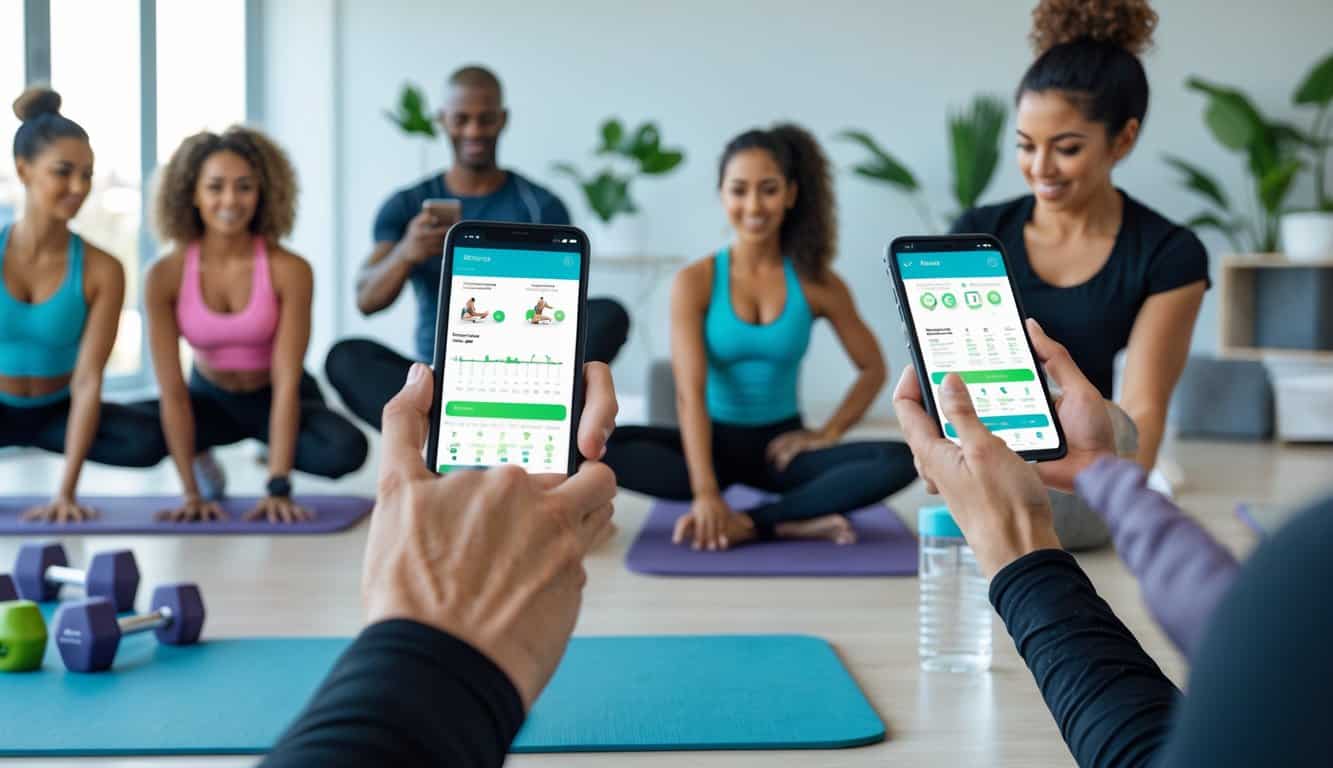
Fitness apps offer a practical solution for people looking to stay active, track progress, and follow structured workout plans without needing personal trainers. They combine convenience with expert guidance, making it easier to maintain consistency in physical activity regardless of experience or location. The best fitness apps provide tailored workouts, progress tracking, and motivation tools to help users reach their goals effectively.
Many apps cater to different workout styles, including strength training, yoga, running, and group classes, ensuring options for various preferences and fitness levels. Users can find free and paid versions depending on the features they need, making it accessible for most budgets.
With growing interest in at-home workouts and personalized fitness, these apps play a key role in modern exercise routines. Choosing the right app can simplify fitness efforts and improve overall adherence to a healthy lifestyle. Explore the options tested and recommended by experts to find what fits best. For more about this, see best workout apps for 2025.
Top Workout Apps and Picks
Fitness apps vary widely in features, catering to different goals such as strength training, endurance, flexibility, and motivation. Many offer guided workouts, progress tracking, or community support to enhance user experience.
Users will find apps suited to free workouts, subscription-based programs, and those integrating smart devices or social competitions.
Nike Training Club
Nike Training Club offers a wide range of workouts tailored to all fitness levels. It includes strength, endurance, yoga, and mobility sessions, each with clear video instructions.
The app is free, making it an accessible option for beginners and casual exercisers. It also features training plans that adjust based on progress and goals.
Additional tools allow users to track performance and receive expert tips, helping maintain motivation and consistency.
Apple Fitness+
Apple Fitness+ integrates seamlessly with Apple devices, offering personalized workouts that sync with the user’s health data. It provides guided sessions across categories like HIIT, cycling, and mindfulness.
Workouts range from 5 to 45 minutes, catering to different schedules. The app’s strength lies in its integration with Apple Watch, displaying real-time metrics on screen.
Fitness+ supports multiple users on family plans, encouraging group participation and challenges.
Peloton App
The Peloton App extends beyond cycling to offer strength, running, yoga, and meditation classes. Its immersive live and on-demand content is designed to simulate studio experiences.
Subscription-based, it provides leaderboard features for extra motivation during live workouts. The community support is robust, enhancing user commitment.
Compatibility with various devices allows users flexibility in choosing workout environments.
Strava
Strava is primarily favored by cyclists and runners. It tracks distance, pace, elevation, and routes, focusing on outdoor activity analysis.
Users can join challenges, share progress, and compete with others, creating a social fitness network. It supports GPS tracking and integrates well with wearables.
Strava’s detailed performance metrics help athletes monitor improvements over time.
FitOn
FitOn delivers free workouts covering strength, cardio, yoga, and Pilates. It offers celebrity trainer-led classes, which adds an engaging element to workouts.
The app enables customized plans and tracks personal progress. Its social features allow workout sharing and friendly competitions.
FitOn works on multiple devices and is ideal for users seeking variety without subscription fees.
Centr, by Chris Hemsworth
Centr combines workouts, meal plans, and mindfulness exercises, reflecting a holistic fitness approach. The app includes HIIT, boxing, yoga, and strength training videos.
Created with input from medical and nutrition experts, it emphasizes balanced lifestyle choices. Personalized meal options support the fitness routines.
Subscriptions provide access to a broad content library, useful for users wanting integrated wellness support.
Future
Future pairs users with a personal coach who designs custom workout plans. Communication occurs via in-app messaging and video calls, enhancing accountability.
The app emphasizes strength training, mobility, and endurance tailored to individual progress. It requires commitment but drives consistent improvement.
Fitness tracking metrics help monitor achievements, supported by expert guidance to adjust plans when needed.
Sweat
Sweat caters mainly to women with diverse workout programs, including post-pregnancy fitness, HIIT, and strength training. It offers challenge-based plans and community engagement.
Programs are progressive and include video instructions, with options to focus on bodyweight or gym equipment workouts.
Sweat’s tailored approach helps users meet specific fitness and wellness goals in a supportive environment.
Ladder App
Ladder App specializes in nutrition and fitness coaching aimed at performance enhancement. It combines workout routines with personalized meal plans and recovery advice.
Users access expert coaches for tailored advice and accountability. The science-backed approach suits athletes and fitness enthusiasts.
It also tracks biometrics, adjusting recommendations based on real-time data.
Shred: Home & Gym Workout
Shred offers workouts designed for both home and gym settings, focusing on fat loss, muscle toning, and strength building. It includes short sessions for busy schedules.
The app provides progress tracking and workout customization based on available equipment. Its clear exercise demonstrations suit all levels.
Subscription unlocks additional features, including meal plans and challenges for motivation.
Alo Moves
Alo Moves specializes in yoga and mindfulness with a large video library from beginner to advanced levels. It also offers barre, pilates, and meditation sessions.
The app provides detailed guidance on form and breathwork. Its emphasis on mental and physical wellness appeals to those seeking balance.
Users can download classes for offline use and track milestones.
Jefit
Jefit is a strength training app offering extensive workout plans and an exercise database. It supports tracking sets, reps, and rest intervals with a focus on gym routines.
Users can create custom workouts and monitor progress over time. The social aspect allows sharing routines and participating in challenges.
Compatibility with wearables enhances data accuracy and motivation.
Blogilates
Blogilates features Pilates-inspired workouts created by Cassey Ho. It offers calendar-based workout plans with a mix of cardio and strength elements.
The app encourages a positive mindset and body confidence. Its clear video instructions and modifications make workouts accessible.
Blogilates also includes a nutrition guide and community engagement for added support.
Choosing the Best Workout App
Selecting a workout app involves understanding one’s specific fitness needs, preferred training style, and the app’s features. Apps vary widely in guidance, personalization, cost, and compatibility, so users should focus on these aspects to find the best fit.
How to choose the best workout app
The best workout app aligns with individual goals, whether strength training, cardio, yoga, or general fitness. It should offer clear instructions, progress tracking, and adaptable workout plans.
Users must evaluate if the app suits their experience level, workout frequency, and environment (home, gym, outdoors). Reviews and trials help identify usability and effectiveness.
Essential features include video demonstrations, timer functions, and integration with wearables. Apps that provide motivational tools and community support often improve user engagement and consistency.
What is the best workout app?
No single app suits everyone; the best app depends on goals and preferences. For example, some prioritize personalized training plans, while others want budget-friendly options or advanced analytics.
Top-rated apps typically excel in these categories:
- Customizable workouts tailored by AI or trainers
- Clear, easy-to-follow exercise guidance
- Progress tracking with analytics
- Flexibility for various fitness levels
Research by trusted outlets highlights apps like those recommended in the Forbes Health review for their balance of features and user experience.
What makes the best fitness app?
The best fitness app goes beyond isolated workouts by offering comprehensive programs focused on improvement in strength, flexibility, endurance, or weight management.
Key qualities include:
- Science-backed training plans
- Clear progression pathways
- Expert instruction and safety tips
- User-friendly interface
An app’s ability to adapt based on user feedback and results distinguishes it. Also, well-integrated nutrition or wellness features add value to overall fitness.
Factors to consider when choosing a workout app
Choosing the right app requires considering:
| Factor | Details |
|---|---|
| Compatibility | Works on user’s devices and platforms |
| Cost | Free, subscription, or one-time payment |
| Workout type | Strength, cardio, yoga, HIIT, etc. |
| Personalization | Custom plans based on goals and level |
| Motivation | Community support, gamification |
| Tracking | Progress reports and wearable integration |
Users should prioritize what fits their lifestyle and budget while ensuring the app provides effective programming aligned with their fitness objectives.
For more insights on selecting appropriate workout apps, see the detailed reviews by Fit&Well.
Workout App Features and Types
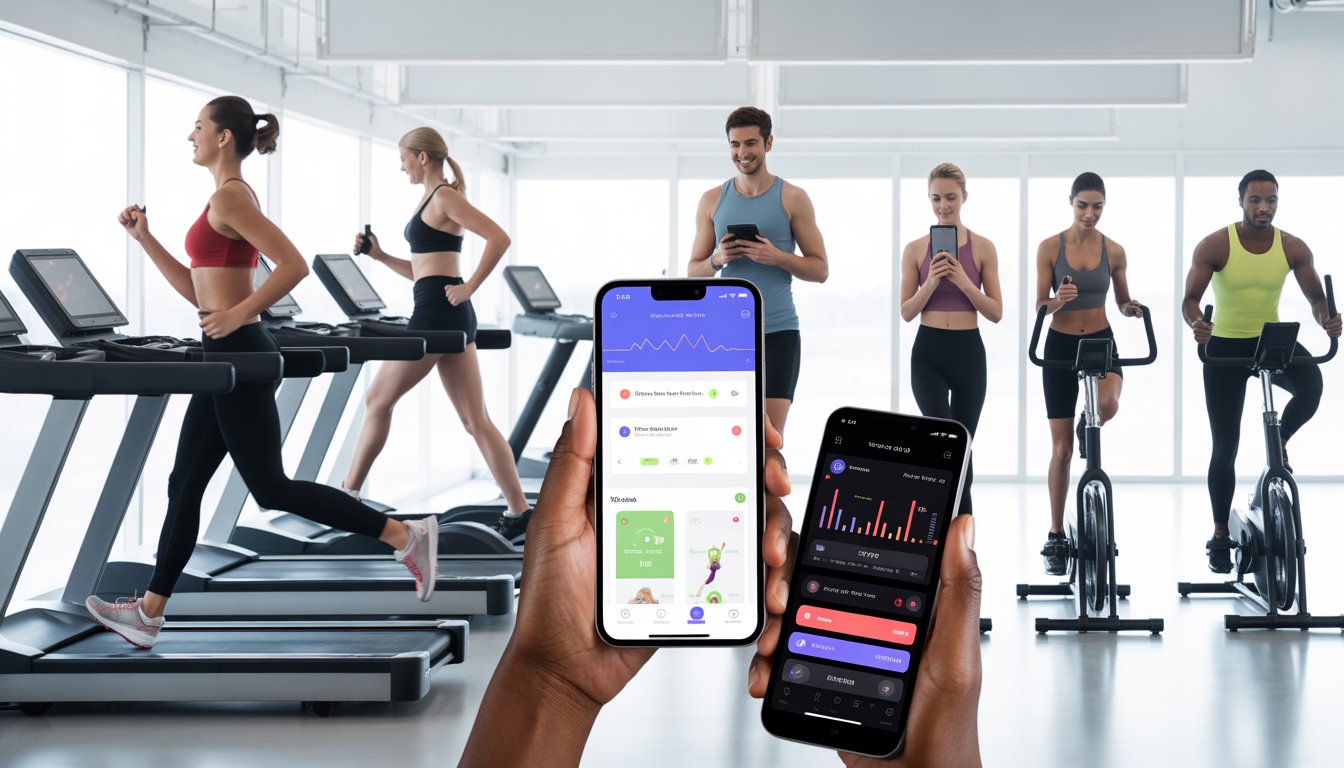
Workout apps vary widely in their focus and features, catering to different user needs. They often specialize in the mode of instruction, workout style, tracking capabilities, or user experience. These specific qualities help users select apps that align with their fitness goals and preferences.
Best for Screenless Workouts
Some users prefer to minimize screen time during workouts to focus fully on exercises. Apps designed for screenless workouts provide audio-only guidance or use wearable integration. These apps deliver step-by-step instructions, timers, and coaching while allowing the user to keep their device out of sight.
Such apps often support voice commands or sync with smart speakers and headphones. This creates a hands-free experience that suits running, strength training, or yoga without visual distraction.
Best for Family Sharing
Fitness apps that offer family sharing enable multiple users within a household to access content and track progress on one subscription. These apps accommodate different fitness levels and goals across family members, often providing customizable profiles.
Features typically include shared challenges, progress tracking dashboards, and permissions to tailor workouts. Family sharing fosters motivation and accountability by creating a collective fitness environment.
Best for Free Calisthenics and Pilates Workouts
Apps in this category focus on bodyweight exercise and Pilates routines without requiring equipment. They often offer comprehensive libraries of free workouts emphasizing form, flexibility, and core strength.
Users can find varied levels from beginner to advanced, with instructional videos and progressions. This accessibility makes them suitable for users seeking low-cost options centered on functional movement and controlled training.
Best for Tough Workouts
Apps known for tough workouts target users seeking high-intensity training or challenging routines like HIIT, CrossFit, or advanced strength programs. They provide rigorous workout plans designed to push limits and improve endurance, strength, and speed.
These apps include structured schedules, adaptive difficulty, and metrics to monitor performance improvements. Motivational features like leaderboards or achievement badges are commonly integrated to sustain high effort.
Best for Free Yoga Videos
Apps offering free yoga videos focus on delivering accessible sessions across styles such as Hatha, Vinyasa, or restorative yoga. They provide clear guidance on poses, breathing techniques, and alignment without cost barriers.
Users benefit from categorization by duration and difficulty, making it easy to fit yoga into various daily routines. Video quality and expert instruction are key components that enhance the user experience.
Best for Finding Workouts by Time, Intensity, or Style
These apps simplify workout selection through filters for duration, effort level, or exercise type. Users can quickly identify sessions that fit their schedule, energy, or preference.
The interface often includes search options and saved favorites for easy access. This flexibility supports adherence by catering to varying daily needs.
Best for Tracking Weight Training
Weight training apps focus on logging sets, reps, weights, and rest times with precision. Advanced apps offer customizable programs, exercise libraries, and progress analytics.
They may include features like one-rep max calculators, plate load suggestions, and form tips. Accurate tracking facilitates progressive overload and goal setting.
Best for Long-Term Exercise Commitment
Apps supporting sustained fitness journeys emphasize habit formation and consistency. They include goal-setting, streak tracking, reminders, and adaptive programming to maintain engagement over time.
Community features and personalized coaching increase motivation. Data visualization highlights progress and encourages users to prioritize long-term health.
Best for Energetic Instructors
Apps featuring dynamic instructors prioritize motivation and enthusiasm in their sessions. Energetic coaching style boosts user engagement and workout enjoyment.
These apps usually provide diverse class types with charismatic trainers who encourage proper form and intensity. This approach helps maintain focus and energy throughout workouts.
Best for Building Muscle
Muscle-building apps center on hypertrophy-focused routines, nutrition guidance, and recovery tips. They offer structured weightlifting plans, including compound movements and accessory work.
Users receive advice on sets, reps, rest intervals, and progression strategies. Integration with diet tracking enhances muscle gain results.
Best for Tracking Runs and Bike Rides
Apps specialized in running and cycling offer GPS tracking, route mapping, cadence analysis, and pace monitoring. Many also provide audio coaching and interval training support.
Social sharing and competition components motivate consistent outdoor activity. Data export and integration with wearable devices improve accuracy.
Best for Flexibility Training
Apps for flexibility target stretching routines, mobility exercises, and injury prevention. They guide users with detailed instructions and timers for optimal hold durations.
Programs often focus on specific areas like hips, shoulders, or spine. These apps support routine integration to improve range of motion and recovery.
Personalized Training and Motivation
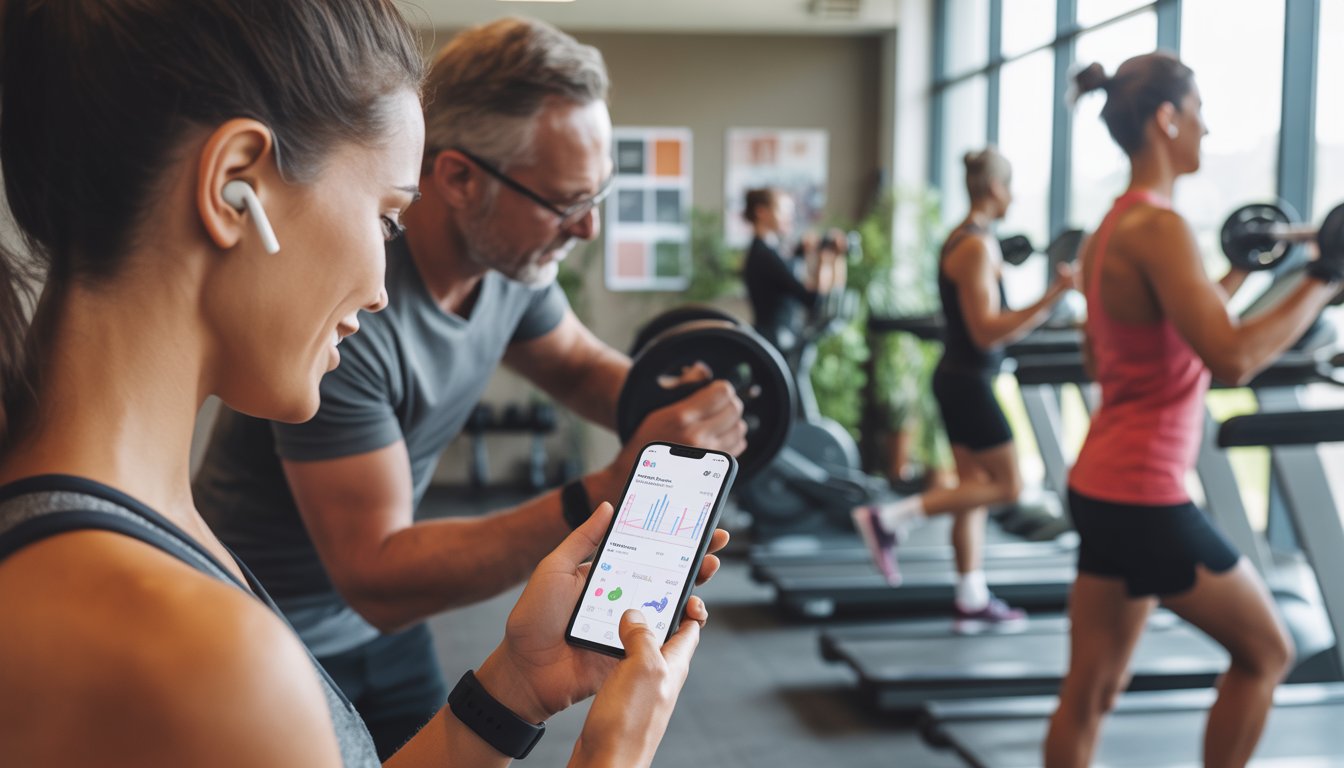
Personalized training apps tailor workouts specifically to user goals and fitness levels. They offer structured progress tracking and motivational tools such as reminders, challenges, and community features. These apps balance expert guidance with user flexibility to optimize consistency and results.
Best workout app for personal training
The best personal training apps provide customized workout plans built by certified trainers. They adapt based on user progress and feedback, ensuring workouts remain effective and safe. Features often include video demonstrations, real-time coaching, and performance analytics.
Top apps in this category allow scheduling sessions, tracking reps and sets, and adjusting intensity automatically. They focus on building strength, endurance, or weight loss with a high level of personalization tailored to individual goals and time availability. Apps like these are ideal for those who want expert-level back-up without needing in-person sessions.
Best workout app for beginners
Beginner workout apps emphasize ease of use and foundational fitness education. They start users with basic movements, gradually increasing complexity to avoid injury or overwhelm. Instructions are clear, with step-by-step guidance through video or text.
These apps include easy-to-follow warm-ups, mobility work, and low-impact exercises suitable for all fitness levels. They often integrate built-in progress tracking to build motivation early on. Support features like reminders and beginner tips encourage habit formation, making them appropriate for those new to consistent exercise.
Best workout app for women
Apps designed for women focus on goals commonly prioritized such as fat loss, muscle toning, or pelvic health. Many include specialized programs tailored to hormonal cycles or pregnancy phases. Nutrition advice often complements workout plans.
User interfaces on these apps tend to be intuitive, with motivational messaging designed to resonate with women. Community features help foster accountability and social support. They may also provide targeted exercises for areas like core strength and flexibility important for women’s health.
Best workout app for strength training
Strength training apps specialize in progressive overload and muscle-building techniques. They provide access to periodized programs focusing on key lifts like squats, deadlifts, and presses. Detailed tracking of sets, reps, and weights lifted is standard.
These apps include tutorials for proper form and injury prevention. Many support integration with wearable devices to monitor metrics like heart rate and volume. Users benefit from data-driven adjustments that increase training intensity safely and sustainably.
Best workout app for yoga
Yoga apps offer a range of practices from beginner flow to advanced poses. They provide guided sessions focusing on flexibility, balance, and breathing techniques. Many apps include meditation and mindfulness components.
Users can select session length, style (e.g., Hatha, Vinyasa), and target areas for a personalized practice. Video or audio guidance is common, often allowing offline use. These apps emphasize connection with the body and stress relief alongside physical benefits.
Best fitness app for race training
Race training apps deliver structured running plans tailored to distances from 5K to marathon. They monitor pacing, endurance, and recovery needs. Built-in GPS tracking and interval timers are typical features.
Programs adapt based on user feedback and race date, balancing volume and intensity to prevent injury. Some include strength and mobility sessions to improve running efficiency. Motivational elements include challenges and virtual races to keep users engaged.
Best fitness app for busy people
Apps for busy individuals focus on maximizing workout efficiency. They offer short, intense sessions like HIIT or circuit training, often under 30 minutes. These apps require minimal or no equipment, making workouts accessible anywhere.
Users can customize sessions around their schedule, selecting duration and intensity. Features include calendar integration, quick reminders, and progress summaries. The goal is maintaining consistency despite a hectic lifestyle, reducing barriers to exercise.
The best fitness app is the one that works for you
The ideal fitness app fits the user’s lifestyle, goals, and preferences. Factors such as interface simplicity, workout variety, and community support influence adherence. Some prioritize expert guidance, while others emphasize flexibility and speed.
Trial periods or free versions help users find the right match. Consistent use and engagement are key to results, so choosing an app aligned with personal motivation and available time is crucial. Individualized adjustments and clear progress tracking improve long-term success.
Explore detailed reviews to identify which apps excel in these areas and meet specific needs efficiently, such as the best personal training apps in 2025.
Workout App Costs and Memberships
Workout apps vary in price depending on the features they offer and the level of access provided. Users should consider their fitness goals, frequency of use, and desired features when evaluating costs.
Apps often have free tiers with limited content, while paid memberships unlock full workout libraries, personalized plans, and additional tools like tracking and coaching.
How Much Should You Pay for a Workout App Membership?
The price for a workout app membership typically reflects its content variety and customization options. Users can expect to pay anywhere from $10 to $30 per month for most quality subscriptions.
Free memberships are common, but they usually offer only basic workouts or limited access. Paid plans often include personalized workout plans, expert guidance, and new classes regularly updated.
It is advisable to look for apps that provide free trials so users can assess the value before committing. Features like AI-guided plans and in-depth metrics support higher price points.
How much do fitness and workout apps cost?
Fitness and workout apps fall into three main pricing categories:
| Membership Type | Price Range | Features |
|---|---|---|
| Free | $0 | Limited workouts, basic features |
| Monthly Subscription | $10 – $30 | Full access, personalized plans, tracking, regular updates |
| Annual Plans | $100 – $300 | Discounted monthly rate, added perks like exclusive content |
Some popular apps offering paid subscriptions include Apple Fitness Plus and Peloton, with monthly fees around $15 to $30. Others may provide a mix of free content and premium plans to fit different budgets.
Understanding these cost structures helps users choose a workout app that aligns with their financial and fitness needs. More pricing details can be found at How much should you pay for a workout app membership? and Best Workout Subscription Apps in 2025.
Expert Reviews and Testing
Fitness apps are evaluated through rigorous, standardized methods to ensure accuracy and user value. These evaluations focus on app functionality, usability, performance, and how well they meet diverse fitness goals.
Honest, Objective, Lab-Tested Reviews
Reviews depend on impartial, evidence-based testing rather than marketing claims. Professionals assess apps using consistent criteria like interface design, feature range, and program customization.
Testers avoid bias by comparing similar apps side-by-side. Data such as workout tracking accuracy and responsiveness to user input are measured under controlled conditions. This ensures that the app’s claims, such as calorie counting or heart rate monitoring, reflect real-world performance.
Transparent review processes help users trust app recommendations. Detailed reporting highlights strengths and limitations without exaggeration.
How we test workout apps
Testing begins with installation and initial setup to evaluate ease of use and onboarding experience. Paid features and subscription models are examined for cost-effectiveness and value.
Next, app stability under prolonged use is monitored by logging crashes or bugs. User interface intuitiveness is rated based on navigation, prompt clarity, and accessibility.
The customization options are explored by programming workouts for different fitness levels and goals. Connectivity with wearables and integration with other apps also undergo analysis.
Quantitative metrics, like tracking accuracy and feedback speed, are collected alongside qualitative user experience notes.
How we test the best workout apps
The best workout apps are challenged with diverse workout regimens, including strength training, cardio, HIIT, yoga, and flexibility sessions. Experts measure how well these apps adapt to different fitness needs and progression tracking.
AI personalization and coaching features are tested for responsiveness and appropriateness of guidance. Motivational tools such as reminders, challenges, and community features also receive scrutiny.
Privacy policies and data security measures are reviewed to protect user information. Cross-platform compatibility and content update frequency are evaluated for ongoing value.
Our Top Tested Picks
Top apps excel in reliability, user engagement, and program variety. Leading performers offer clear workouts, personalized plans, and progress tracking with measurable results.
Some standout apps prioritize cost-effective subscription options without sacrificing quality. Others specialize in particular disciplines like running or bodyweight training while maintaining solid overall functionality.
Users benefit from apps that balance expert programming with intuitive design. These apps consistently rank highly in expert tests across multiple fitness review platforms like Garage Gym Reviews and Good Housekeeping.
FAQs and Additional Guidance
Fitness apps offer many benefits, but users should understand their limitations and proper use. Factors such as equipment needs, offline access, and suitability for beginners vary by app. Knowing these details can improve the user experience and set realistic expectations.
Are there any downsides to workout apps?
Workout apps provide convenience but have some limitations. Many lack personalized feedback, which can lead to improper exercise form and potential injury. They also may not fully address individual medical or fitness conditions.
Privacy concerns can arise, as apps sometimes collect sensitive health data. Users should review privacy policies before sharing information. Additionally, without external motivation, some users may struggle to remain consistent.
Some apps require subscriptions or in-app purchases for full features, which could be costly over time. Finally, technological issues like software bugs or device incompatibility may interrupt workouts.
Can a workout app replace a personal trainer?
Workout apps provide guidance and structure but usually cannot fully replace a personal trainer. Trainers offer real-time form correction, personalized adjustments, and emotional support that apps cannot replicate.
Personal trainers can modify workouts based on immediate feedback and individual needs. In contrast, apps follow predefined routines without dynamic adaptation.
However, apps can be a cost-effective alternative for many users and can complement in-person training. They serve well for tracking progress, offering workout ideas, and providing motivational reminders when used consistently.
Do fitness and workout apps really work?
Fitness apps can be effective tools when used properly. They help users set goals, track activity, and maintain accountability. Research indicates increased engagement in exercise among app users compared to those who do not use such tools.
Success depends on consistent use and choosing an app that matches the user’s goals and fitness level. Personalization and progress tracking features support motivation and long-term adherence.
Apps that include social or gamification elements can further boost user engagement. However, the effectiveness decreases if users do not actively participate or try to skip workouts.
Do I need equipment to use workout apps?
Equipment requirements depend on the app and workout type. Many apps offer bodyweight-only workouts requiring no equipment, suitable for home or travel use.
Others include strength training or cardio routines that may require dumbbells, resistance bands, or machines. Some nutrition or tracking apps do not require any exercise equipment.
Users should check app descriptions for equipment needs before downloading. Many apps allow filter options to select workouts requiring no or minimal equipment, making fitness accessible to more individuals.
Are workout apps suitable for beginners?
Many workout apps are designed with beginners in mind, offering guided routines and instructional videos. Clear step-by-step instructions and progress tracking help users build confidence safely.
Some apps include beginner-friendly features like low-impact exercises, gradual intensity increases, and rest day reminders. This reduces the risk of injury and burnout.
Still, beginners should choose apps that emphasize proper technique and allow customization. Consulting a healthcare professional before starting is recommended for those with preexisting conditions.
Can I use workout apps offline?
Offline functionality varies among apps. Some allow users to download workouts, video tutorials, or plans for offline access, which is useful in areas with poor internet.
Other apps require an active connection for features like real-time progress syncing, personalized coaching, or social sharing. Data-heavy videos and live sessions usually need internet.
Before committing, users should verify offline capabilities if this is important. Download options or offline mode are often listed in app features or FAQs.
About The Author